


Central Coast: Your Complete Guide to Safe and Efficient Moving

Planning a move on the Central Coast? Whether it’s your treasured bookcase or a delicate antique, moving furniture requires careful planning and the expertise of seasoned removalists. This guide is your ultimate resource for everything from pre-move preparation to post-move care, ensuring your transition is as smooth as possible. Dive into our expert tips and discover how to protect your furniture, reduce stress, and enjoy a seamless move to your new Central Coast home.
How to Prepare Your Furniture Before Moving on the Central Coast
Getting your furniture ready for the big move involves more than just packing. It’s about reducing bulk, safeguarding surfaces, and organizing parts for a hassle-free transition. Here’s how you can streamline the process and protect your belongings from the coastal elements.
Decluttering and Downsizing Strategies for Furniture
Before you start packing, take a moment to evaluate each piece.
- Inspect every item to decide whether to keep, sell, donate, or recycle.
- Measure doorways and stairwells to ensure everything fits in your new home.
- Sell or donate large items that no longer suit your style or needs.
These steps not only lighten your load but also cut down on transport costs, allowing movers to focus on what truly matters.
Essential Packing Supplies for Furniture Transport

Choosing the right materials is key to protecting your furniture from bumps and moisture. Here’s a quick comparison of essential supplies and their benefits.
| Supply | Attribute | Value |
|---|---|---|
| Moving blanket | Soft padding | Prevents scratches on wood and glass surfaces |
| Bubble wrap | Fragile buffer | Cushions delicate items like mirrors and artwork |
| Stretch film | Securing wrap | Keeps multi-layer padding in place and seals |
Furniture Protection During Transport
Using moving blankets and bubble wrap is crucial for keeping your furniture safe from scratches and damage during transit. These materials create a protective shield against the inevitable bumps along the way.
This research backs up the importance of using protective packing materials.
Each supply plays a vital role in maintaining the integrity of your furniture, paving the way for a smooth disassembly and transport process.
Disassembling Furniture Safely for Transport
Breaking down bulky items not only saves space but also makes handling safer.
- Remove legs and detachable parts with the right tools.
- Bag and label all hardware (screws, bolts, washers) in clear, resealable bags.
- Wrap each component in padding or bubble wrap before placing in labeled boxes.
Organized disassembly ensures quick reassembly and prevents the loss of small parts, setting the stage for advanced packing techniques.
Expert Packing Techniques for Different Types of Furniture
Protecting Fragile and Delicate Furniture Items
Fragile items need extra care. Start by cleaning surfaces, then follow these steps:
- Mirror and glass corner protectors before wrapping in bubble wrap.
- Cardboard sheets between framed artwork and a layer of stretch film.
- Custom-sized boxes for lamps, ceramics, and small antiques.
These precautions prevent cracks, chips, and moisture damage, showcasing the meticulous handling you can expect from professional removalists.
Best Practices for Moving Large and Heavy Furniture
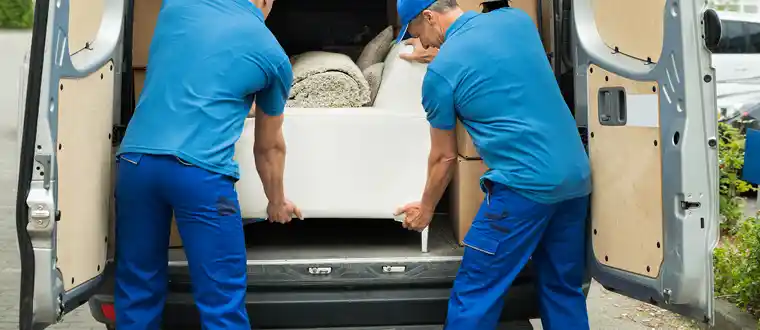
Heavy items like sofas and appliances require teamwork and the right tools.
- Use furniture dollies and straps to distribute weight evenly.
- Lift with your legs, not your back, keeping a neutral spine.
- Secure items in the truck with ratchet straps to prevent shifting.
Following these practices minimizes physical strain and surface damage, highlighting the importance of professional movers.
Professional Piano Removal on the Central Coast
A piano is more than just an instrument; it’s a delicate asset. Professional removalists use:
- Piano skids and padded board systems to cradle the instrument.
- Hydraulic lifts for multi-storey access.
- Climatic controls to stabilize humidity inside the piano.
This expertise prevents costly damage and preserves tuning, underscoring the value of specialized piano removal services.
Choosing the Right Removalist Services on the Central Coast
Choosing a removalist is all about accreditation, insurance, and local know-how. Here’s how to find a team that delivers on safety, punctuality, and transparency.
Key Factors When Hiring a Furniture Removalist
Evaluate providers based on these criteria:
- Transit and public liability insurance for comprehensive protection.
- Local experience in Central Coast suburbs, including Long Jetty and Terrigal.
- Customer reviews and testimonials highlighting on-time performance.
Choosing a Removalist Service
When selecting a removalist service, consider factors like accreditation, insurance coverage, and local experience.
This citation supports the advice on choosing a reliable removalist service.
Focusing on these factors narrows your options to removalists who prioritize your furniture’s safety from start to finish.
Understanding Furniture Removal Costs
Removal costs depend on labor, volume, and distance. Here’s a breakdown of common pricing models and their benefits.
| Pricing Model | Attribute | Value |
|---|---|---|
| Hourly Rate | Flexibility | Pay per mover per hour, ideal for small or mixed loads |
| Fixed Quote | Predictability | Flat fee based on cubic metres and distance |
| Volume Estimate | Scalability | Cost based on space used, optimizes truck utilization |
Transparent quotes help you budget accurately and avoid surprises, building trust in your chosen removal service.
Moving Day Checklist for Furniture Transport
A moving-day checklist keeps tasks organized, reducing stress and ensuring everything is accounted for before you hit the road.
- Confirm arrival time with your removalist team.
- Perform a final walkthrough to ensure all furniture is ready.
- Keep a toolkit and labeled hardware bags on hand.
- Ensure clear pathways from door to truck for each item.
- Verify truck load order matches priority items for unloading.
Completing these tasks sets a steady pace for loading and unloading, supporting safe handling methods.
Loading and Unloading Furniture Safely

Loading and unloading require coordination and stable surfaces.
- Position heavier items at the bottom of the truck.
- Maintain even weight distribution to prevent tipping.
- Use temporary ramp boards for safe elevation transitions.
These guidelines protect both your furniture and the movers, ensuring a smooth move-in process.
Final Steps for a Smooth Moving Day
After loading all furnishings:
- Secure loose padding and straps inside the truck.
- Walk through each room to confirm no item is overlooked.
- Exchange contact details with your removalist team for arrival updates.
Final checks reduce misplacements and set the tone for an efficient unloading phase at your new home.
Post-Move Furniture Care and Storage Options on the Central Coast
Post-move care is crucial for preserving your investment and accommodating any timing gaps before unpacking or renovation begins.
Reassembling and Caring for Furniture After Moving
Once in place, follow these steps:
- Inspect hardware bags and reattach components in reverse disassembly order.
- Tighten fasteners to manufacturer specifications.
- Clean surfaces to remove any handling residue.
Proper reassembly and cleaning restore structural integrity and extend the lifespan of your furniture.
Temporary and Long-Term Furniture Storage Solutions
Homeowners can choose from:
- Self-storage units with climate control for humidity-sensitive items.
- Short-term warehouse storage for transitional renovation projects.
- Secure containerized storage on-site for quick access during unpacking.
These options combine flexibility and protection, allowing you to stage furniture until you’re ready to place each piece.
Frequently Asked Questions
What Should You Do If Your Furniture Doesn't Fit in Your New Home?
If your furniture doesn’t fit in your new home, consider several options. First, measure the dimensions of your new space and compare them with your furniture. If it’s too large, you might need to disassemble it further or consider selling or donating pieces that no longer fit your lifestyle. Alternatively, you can explore storage solutions, such as renting a self-storage unit, until you decide what to do with the excess furniture. Always consult with your removalist for advice on handling oversized items.
How Can You Ensure Your Furniture Is Insured During the Move?
To ensure your furniture is insured during the move, check with your removalist about their insurance policies. Most professional removalists offer transit insurance that covers damage or loss during transport. Additionally, review your home insurance policy, as it may provide coverage for items in transit. If necessary, consider purchasing additional insurance for high-value or sentimental items. Always document your furniture’s condition before the move with photos to support any claims if needed.
What Are the Benefits of Using Eco-Friendly Packing Materials?
Using eco-friendly packing materials offers several benefits, including reducing environmental impact and promoting sustainability. Biodegradable packing peanuts and recyclable cardboard boxes minimize waste and can be disposed of responsibly. Additionally, these materials often provide adequate protection for your furniture while being less harmful to the environment. By choosing sustainable options, you also support local businesses that prioritize eco-friendly practices, contributing to a greener community on the Central Coast.
How Can You Prepare for Weather Conditions on Moving Day?
Preparing for weather conditions on moving day is crucial for protecting your furniture and ensuring a smooth transition. Check the weather forecast in advance and plan accordingly. If rain is expected, use waterproof covers for your furniture and ensure that pathways are clear of mud or debris. For hot days, schedule your move during cooler hours and keep hydrated. Communicate with your removalist about any weather-related concerns, as they may have additional strategies to protect your belongings.
What Should You Do If You Encounter Damage During the Move?
If you encounter damage during the move, document the issue immediately by taking photos and noting the details. Contact your removalist as soon as possible to report the damage and inquire about their claims process. Most professional removalists have procedures in place for handling such situations, including insurance claims. Be sure to keep all relevant paperwork, including contracts and insurance details, to facilitate a smooth resolution.
Are There Special Considerations for Moving Furniture with Pets?
When moving furniture with pets, special considerations are essential to ensure their safety and comfort. Keep pets in a quiet, secure area away from the moving chaos to reduce stress. Consider arranging for a friend or family member to look after them on moving day. Additionally, ensure that your pets have access to their essentials, such as food, water, and bedding, during the transition. Familiarize them with the new environment gradually to help them adjust to their new home.
What Are the Best Practices for Unpacking Furniture After a Move?
Unpacking furniture after a move should be systematic to avoid damage and confusion. Start by placing larger items in their designated spots before moving on to smaller pieces. Remove all packing materials carefully, ensuring not to scratch surfaces. Take your time to inspect each item for damage and clean surfaces as you unpack. Organizing your unpacking by room can streamline the process, making it easier to settle into your new home efficiently.
Transporting Furniture Safely and Efficiently
Safe transport hinges on planning, padding, and proven handling techniques. Always declutter first, disassemble bulky pieces, wrap each item in appropriate padding, and coordinate with qualified removalists who use dollies, straps, and protective boards to move items without impact or abrasion.
Best Packing Materials for Different Furniture Types
Choosing materials according to furniture characteristics ensures targeted protection:
| Furniture Type | Recommended Material | Protection Benefit |
|---|---|---|
| Upholstered | Plastic film wrap | Guards against stains and moisture |
| Wooden | Moving blankets | Cushions against scratches and dents |
| Glass & mirror | Bubble wrap & corner pads | Prevents breakage at vulnerable edges |
This approach helps homeowners match supplies to item fragility and surface finish.
Hiring Professional Removalists vs. DIY Moving
While DIY moves offer cost savings, professional removalists deliver expertise, equipment, and insurance that mitigate damage risk. Engaging accredited teams grants access to specialized tools, proven techniques, and liability coverage—essential for protecting high-value or sentimental furniture.
Addressing Unique Moving Challenges on the Central Coast
Local geography and environmental factors introduce specific hurdles for furniture transport. Tailored strategies ensure safe moves in tight or steep conditions.
Best Practices for Moving Furniture in Narrow Streets and Steep Driveways
For narrow lanes and inclines:
- Scout access points ahead of move day.
- Use compact, low-profile dollies to navigate tight corners.
- Employ brake-equipped ramps for controlled ascent and descent.
These measures prevent slips and collisions when standard equipment cannot fit.
Protecting Valuable and Antique Furniture During Transport
Antiques require microclimate and vibration control:
- Acid-free tissue paper between wood joints to prevent abrasion.
- Shock-absorbing pallets under each crate.
- Transit insurance to cover rare or irreplaceable pieces.
Combining careful packing with insurance safeguards your heirlooms against damage and financial loss.
Eco-Friendly Packing and Moving Options on the Central Coast
Sustainable moving options reduce waste and environmental impact. Consider:
- Recyclable cardboard boxes and biodegradable packing peanuts.
- Reusable crates that can be returned after use.
- Donation of unwanted furniture to local charities.
These practices align with greener living and support community organizations on the Central Coast.
Moving furniture on the Central Coast can be straightforward with the right preparation, packing methods, and professional support. By decluttering, gathering essential supplies, selecting experienced removalists, and following a clear checklist, homeowners protect their belongings and enjoy a stress-free transition. Post-move care and storage flexibility further preserve value, while localized strategies for narrow streets and antiques accommodate every challenge. Employ these expert tips to ensure your next relocation is safe, efficient, and tailored to the unique demands of your coastal community.
Tuggerah Removals Conclusion
Moving furniture on the Central Coast becomes a seamless experience with the right strategies and professional assistance. By prioritizing careful packing, expert removalist selection, and post-move care, you can protect your belongings and reduce stress during the transition. Embrace these expert tips to ensure a safe and efficient move tailored to your unique needs. Discover more resources and support for your upcoming relocation by exploring our comprehensive guides today.
