



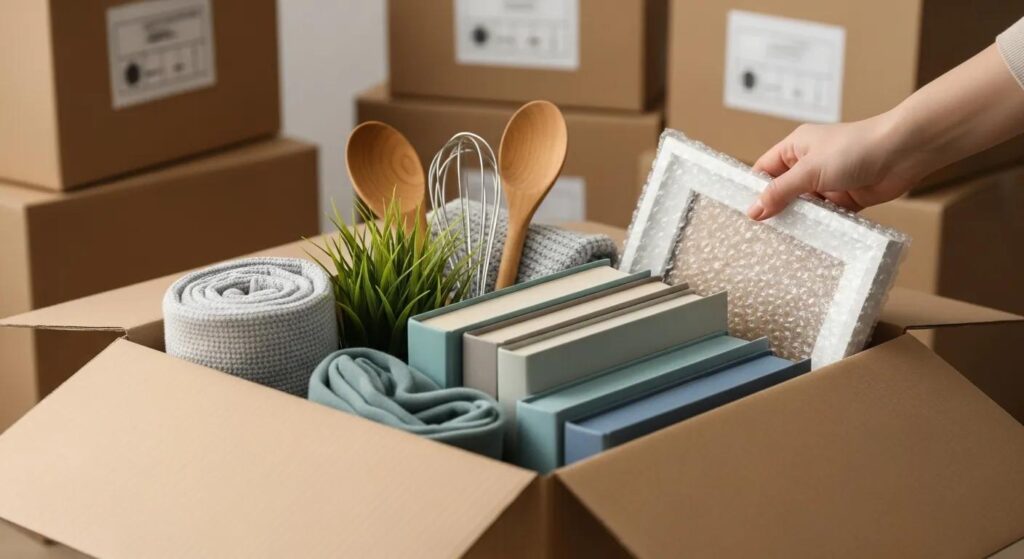
Smart Packing Tips for Moving
Getting started with a solid packing plan turns potential chaos into calm. It saves you time, prevents damage to your precious items, and makes the whole process much smoother. In this guide, you’ll learn how to map out your packing schedule, keep delicate things safe, tackle each room like a pro, use clever space-saving tricks, pick the best packing supplies, and handle moves across Australia. Plus, we’ll show you how Tuggerah Removals’ expert Pack and Move Services can lend a hand when you need that extra support. We’ll cover:
- Key steps—from checklists to your essentials box
- Protecting fragile items—materials, wrapping, and clear labelling
- Room-by-room strategies for your kitchen, bedroom, living room, and office
- Top packing hacks, repurposing everyday items, and using wardrobe boxes
- Choosing the right supplies—boxes, eco-friendly options, and essential tools
- Interstate move considerations—rules, climates, and expert help
- Answers to your most common packing questions
With these packing tips and clever hacks, you’ll pack more efficiently, feel less stressed, and settle into your new home with ease.
Measuring the Stress of Moving Homes: Evidence from the New Zealand Integrated Data Infrastructure
A study analyzing residential mobility found that changing residence generally increases people’s overall stress levels. The research used a difference-in-differences analysis to compare stress levels among homeowners and renters who moved versus non-movers.
This research supports the article’s underlying premise that moving can be a stressful experience, highlighting the importance of efficient packing strategies to mitigate this stress.
What Are the Essential First Steps for Packing Your Belongings?
Setting up a clear, step-by-step packing process brings order, speeds things up, and makes sure you don’t miss anything important, like your first-night essentials or items for donation. For instance, having a moving checklist, doing a good declutter, and packing an essentials box can save you hours.
How Do You Create a Moving Checklist and Packing Schedule?
A moving checklist is your guide to all the tasks involved, while a packing schedule assigns dates to each job, helping you avoid that last-minute rush.
- List and Rank – Go through each room and decide which will be the trickiest to pack.
- Set Dates – Block out time in your calendar: decluttering (three weeks before), kitchen (two weeks before), essentials box (three days before).
- Track Your Progress – Mark off what you’ve done and adjust your schedule if needed.
By following a moving checklist and schedule, you’ll keep things moving along and make sure nothing gets forgotten, setting you up for smooth packing in every room.
Why Is Decluttering So Important Before You Start Packing?
Getting rid of things you don’t need before you pack means less to move, which can lower your moving costs by reducing the number of boxes and the amount of labour required. Sorting items into ‘keep,’ ‘donate,’ and ‘dispose’ piles makes packing much simpler, as you’ll only be packing the things you truly value. You’ll save time and start fresh in your new home by packing only what truly matters. For more tips, check out our blog.
The Mental Health Benefits of Decluttering
Research indicates that an organized living space can positively influence mental health, with studies showing that controlling clutter can reduce stress, enhance focus, and lead to feelings of happiness and confidence. Conversely, a cluttered environment can negatively impact task completion and overall well-being.
This research directly supports the article’s emphasis on decluttering as a crucial step to reduce stress and promote a positive start in a new home.
What Should You Pack in an Essentials Box for Moving Day?
Your essentials box should hold everything you’ll need right away when you arrive at your new place. Think about including: removals and storage glossary.
- Toiletries and any necessary medications to keep your routine going
- A few changes of clothes and bedding so you don’t have to dig through boxes
- Basic kitchen items like mugs, utensils, and a kettle for quick meals
- Phone chargers, a flashlight, and important documents for easy access
Having an essentials box means no frantic searching and keeps your daily life running smoothly, allowing you to unpack other boxes at your own pace.
How Do You Safely Pack Fragile Items for Your Move?

Packing delicate items safely involves using the right protective materials, mastering wrapping techniques, and clearly labelling each box. These steps significantly reduce the chance of breakages and protect your belongings. Properly packed glassware and electronics will arrive in perfect condition, saving you the cost and hassle of replacements.
What Are the Best Packing Materials for Delicate Belongings?
Using high-quality materials minimises risks and ensures your items stay secure during the move. Here’s a look at common options:
| Material | Purpose | Key Benefit |
|---|---|---|
| Bubble wrap | Cushioning delicate goods | Absorbs shock and prevents cracks |
| Packing paper | Layering between items | Conforms to shapes without scratches |
| Foam pouches | Enclosing small electronics | Provides snug, impact-resistant fit |
| Dish packs | Dividers for glass and ceramics | Keeps individual pieces separated |
| Packing peanuts | Filling voids | Prevents shifting within boxes |
These materials work together to create multiple layers of protection, ensuring your fragile items make it through the journey without a scratch.
What Is the Step-by-Step Process for Wrapping Glassware and Electronics?
- Lay out a single layer of bubble wrap and place the item in the centre.
- Fold the edges of the bubble wrap over the item and secure with tape to create a snug package.
- For glassware, add a layer of packing paper before the bubble wrap. For electronics, keep cables tidy and separate in labelled bags.
- Place the wrapped items into small boxes with dividers, or fill any empty space with packing peanuts.
- Seal the boxes securely with strong packing tape and give them a gentle shake to check for movement.
This wrapping method keeps fragile items firmly in place and protects surfaces from chips and scratches.
How Should You Label and Secure Boxes with Fragile Items?
Clearly marking boxes with “FRAGILE” on multiple sides and indicating the correct upright position with arrows helps handlers and prevents them from being placed incorrectly. You can use coloured tape or special labels from your removal team to highlight priority boxes. Reinforce the edges with extra tape to ensure seals stay strong and don’t accidentally open.
When Should You Consider Professional Packing Services for Fragile Items?
If you’re short on time, lack experience, or don’t have the right materials, professional packing services offer expertise, top-notch supplies, and peace of mind. Tuggerah Removals’ skilled packers can expertly wrap antiques, artwork, and sensitive electronics, freeing you up to concentrate on other aspects of your move.
What Are the Best Room-by-Room Packing Tips for an Efficient Move?

Planning your packing room by room breaks down the task into manageable steps, helping you stay focused and ensuring no areas are missed. Tackling one room at a time makes the sorting process systematic and reduces confusion on moving day.
How Do You Pack the Kitchen: Dishes, Appliances, and Utensils?
Packing a kitchen efficiently involves careful layering, using sturdy boxes, and clear labelling.
- Dishes and Glassware – Wrap each item individually in packing paper, then bubble wrap. Use dish packs with built-in dividers for extra protection.
- Appliances – Secure all cords, remove batteries, and pack them in their original boxes if you still have them.
- Utensils – Bundle cutlery together using kitchen towels and place them in small, sturdy boxes.
Organised kitchen packing helps prevent breakages and ensures you can easily prepare meals in your new home.
What Are Effective Packing Strategies for Bedrooms and Closets?
Using wardrobe boxes allows you to move hanging clothes directly from your closet, keeping their shape and saving you the effort of refolding. Folded clothes can be packed neatly in dresser drawers, which can then be wrapped in plastic or canvas covers. Pack shoes in their original boxes or wrap them individually to prevent scuffs. These methods significantly cut down on unpacking time and keep your clothes ready to wear.
How Should You Pack Living Room and Home Office Items?
Group electronics, cords, and accessories together in labelled pouches. Pack books flat to prevent them from warping. Wrap lampshades in large plastic bags or bubble wrap. Disassemble furniture where possible, keeping all hardware in clearly marked bags taped securely to the furniture piece. Packing a room section by section makes reassembly easier and ensures nothing gets lost.
What Are Top Packing Hacks and Space-Saving Techniques for Moving?
Using smart packing hacks and making the most of every bit of space in your boxes speeds up the packing process and reduces the number of boxes you need. Clever organisation saves you money and helps make your move more environmentally friendly.
How Can You Use Labelling and Organisation to Speed Up Packing?
Colour-coded labels or numbered stickers that correspond to a master inventory list allow you to identify box contents and their intended rooms at a glance. Grouping similar items together, like kitchen gadgets or bathroom toiletries, prevents mixing unrelated goods and simplifies unpacking by destination.
What Household Items Can Be Repurposed for Packing?
Everyday items can be used as packing aids, reducing waste and saving you money:
- Suitcases and duffel bags are great for heavy linens and clothes.
- Towels and blankets work well as padding for fragile items.
- Plastic bins offer sturdy, stackable storage solutions.
- Socks can be used to cushion delicate glassware stems.
Repurposing household items means you’ll need fewer new supplies and can make use of what you already own to protect your belongings.
How Do Wardrobe Boxes Help with Efficient Clothing Packing?
Wardrobe boxes come with a built-in hanging rod, allowing you to move your clothes directly from hangers. This saves you the time and effort of refolding garments and makes unpacking much quicker. Their tall design is also perfect for accommodating coats, dresses, and suits without causing creases, ensuring you’re ready for your first morning in your new home.
Which Packing Supplies Are Essential and How Do You Choose the Best Ones?
Selecting high-quality supplies that are right for each type of item you’re packing helps prevent damage, makes handling easier, and supports eco-friendly practices for a greener move.
What Types of Moving Boxes Should You Use for Different Items?
Choosing the right box style based on the weight and fragility of your items ensures safe transport. Here’s a guide to common box types:
| Box Style | Recommended Items | Weight Capacity |
|---|---|---|
| Small double-wall | Books, tools, canned goods | Up to 20 kg |
| Medium single-wall | Kitchenware, small appliances | 10–15 kg |
| Large single-wall | Linens, pillows, bulkier items | Up to 15 kg |
| Wardrobe | Hanging clothes | As needed |
| Flat-panel | Mirrors, framed art | Variable, padded |
This selection ensures the box strength and size are appropriate for your items, reducing the risk of breakage and helping you manage load weights effectively.
How Do Eco-Friendly Packing Materials Benefit Your Move?
Using reusable plastic crates, biodegradable packing peanuts, and recycled paper helps reduce landfill waste and supports your sustainability goals. Choosing eco-friendly materials also aligns with many local council recycling programs, ensuring responsible disposal and a smaller carbon footprint for your relocation.
What Are the Must-Have Packing Tools and Accessories?
Essential accessories make packing quicker, protect your back, and help avoid mistakes. Consider adding these to your toolkit: removals and storage glossary
- Heavy-duty packing tape and a dispenser for quick sealing
- Box cutters with safety blades for controlled opening
- Stretch wrap to secure drawers and furniture doors
- Marker pens for clear, permanent labelling
- Gloves and knee pads to protect your hands and joints
Having the right tools readily available speeds up packing tasks and reduces the risk of injury or damage to your belongings.
How Do You Pack Efficiently for Interstate Moves in Australia?
Packing for long-distance moves requires attention to state regulations, temperature changes, and secure loading to ensure your belongings arrive safely after extended transit.
What Regulations and Considerations Affect Interstate Packing?
Each Australian state has biosecurity rules in place to prevent the spread of pests and plant diseases. Items like fresh produce, soil, or untreated timber must be declared or excluded. Checking the quarantine guidelines for your destination state beforehand ensures you comply with regulations and avoid fines or delays.
How Should You Prepare for Different Climates During Long-Distance Moves?
Variations in humidity and temperature between different regions can affect wooden furniture, musical instruments, and electronics. Use moisture-absorbing packets in sealed boxes, insulate heat-sensitive items with padded covers, and avoid leaving packed items in direct sunlight during loading to prevent warping or condensation damage.
How Can Professional Services Simplify Your Interstate Packing?
Specialised removalists provide climate-controlled vehicles, secure loading procedures, and insurance coverage, protecting your valuables from extreme conditions and long journeys. Engaging professional Pack and Move Services through Tuggerah Removals ensures you meet interstate requirements and gives you complete peace of mind.
What Are Common Questions About Packing Your Belongings?
Getting clear, practical answers to common packing questions helps you navigate any uncertainties and avoid costly mistakes.
What Should You Pack First When Moving?
Start by packing items from non-essential rooms, like guest bedrooms or garages, to keep your daily routines undisturbed. Packing off-season items and decorations early allows you to focus your time on critical areas closer to your moving date.
How Do You Pack a House Efficiently Without Missing Items?
A systematic, room-by-room packing approach, guided by a detailed inventory and checklist, ensures every item is accounted for. Colour-coded labels that match your master list eliminate guesswork and guarantee nothing gets overlooked.
What Items Should Not Be Packed When Moving?
Hazardous materials, including aerosols, flammable liquids, perishable food, plants, and corrosive chemicals, must be excluded or transported separately according to transport regulations. Leaving these items out of general packing prevents safety hazards during transit.
How Do You Protect Valuables and Electronics During Packing?
Keep jewellery, important documents, and small electronics in sealed, padded containers that you carry with you to prevent loss. For larger electronics, use their original boxes or custom foam inserts. Consider professional packing services that include transit insurance for high-value equipment.
A well-planned packing strategy, combined with the right materials and smart techniques, will safeguard your belongings. By following room-by-room strategies, using top packing hacks, and leveraging the expertise of professional removalists, you can ensure a smooth, stress-free move. Implement these tips, and you’ll have the confidence that your possessions will arrive safely and be ready for your new life.